Home › Gravel-to-Asphalt Conversions
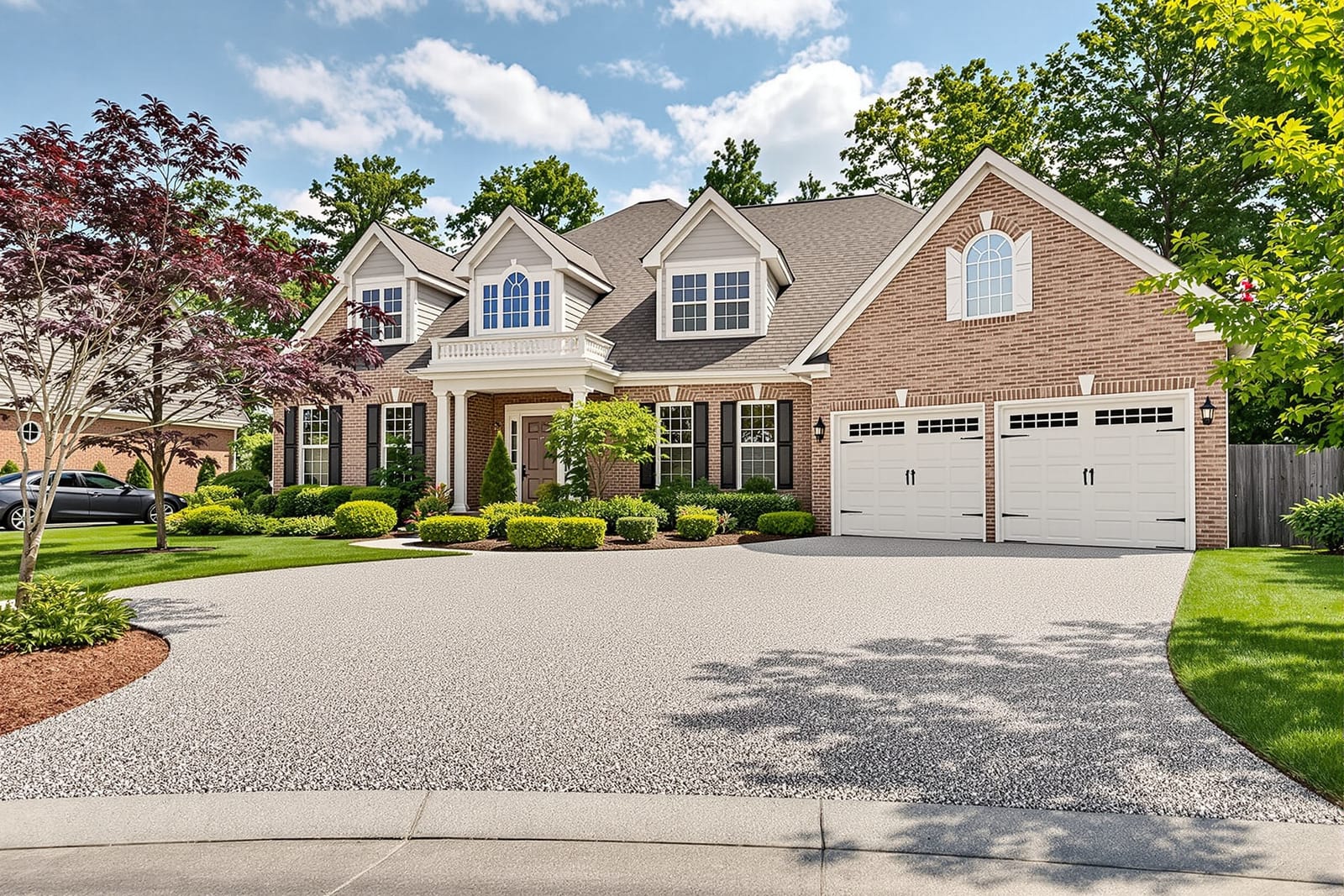
Our gravel to asphalt conversion in Columbus, OH eliminates dust, mud, and ruts from your driveway. We shape and compact your existing base, add material as needed, then pave with quality asphalt. The result is a clean, low maintenance surface that improves access and boosts curb appeal.
Prestige Asphalt Columbus provides professional gravel to asphalt conversion throughout Columbus, OH and the surrounding area. Our licensed, insured crew delivers safe, clean, on-time work with a free estimate before anything begins. Call (614) 914-2949 or request your free quote.
Turn Your Gravel Drive Into a Clean, Quiet Asphalt Surface
If you are tired of dust, ruts, and loose stone every time you pull into your driveway, a professional gravel to asphalt conversion can make your property easier to live with and easier to maintain. Prestige Asphalt Columbus specializes in turning existing gravel driveways and parking areas into smooth, long‑lasting asphalt surfaces tailored to Columbus homes and small businesses.
Unlike new construction, a conversion uses your existing gravel base as a starting point. We evaluate how that gravel has compacted over the years, where water currently flows, and how your vehicles actually use the space. That matters in central Ohio, where older Clintonville and Grandview homes often have narrow side driveways, and newer subdivisions in Hilliard or Blacklick have wider, curved drives with heavier SUV traffic.
Our goal is to keep what works, correct what does not, and give you an asphalt surface that looks sharp, drains correctly, and stands up to freeze‑thaw cycles without turning into a cracked mess in a few winters.
How Our Gravel to Asphalt Conversion Process Works
Every project starts with a site visit. A Prestige Asphalt Columbus estimator walks the driveway or lot with you, checks gravel depth, looks for soft spots or pumping areas, and notes drainage paths toward the street, alley, or yard. We also ask about your long‑term plans, like adding a shed pad, boat parking, or a walkway, so the new asphalt layout fits future needs.
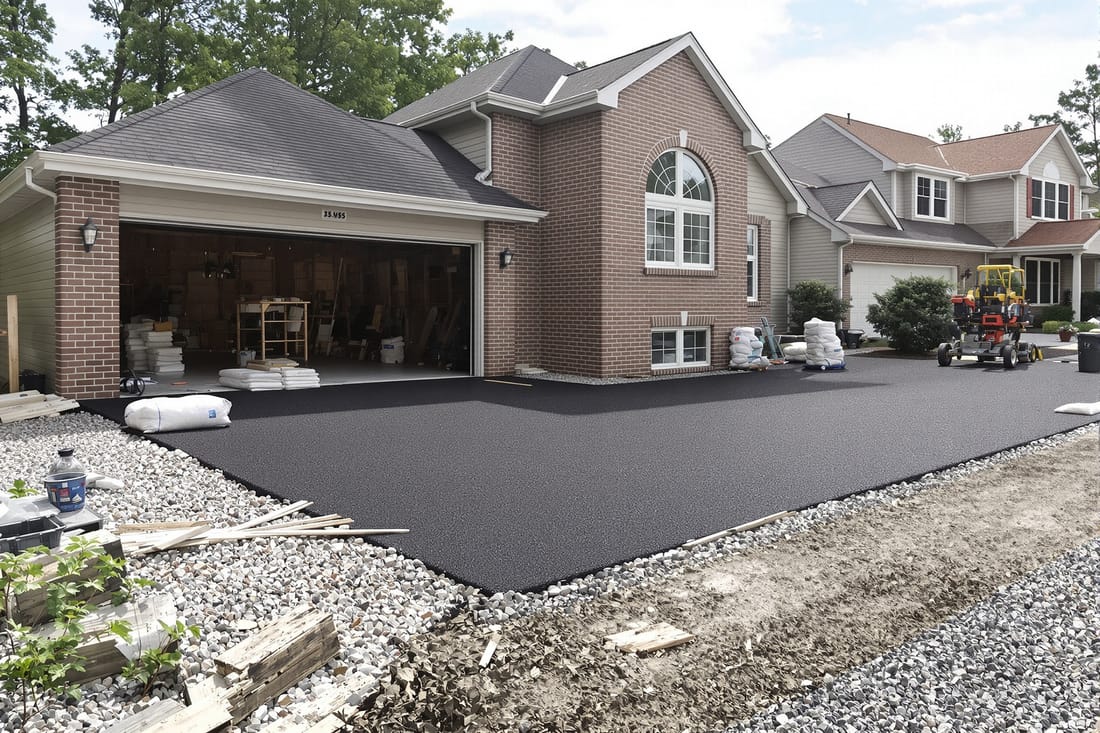
Prep work typically includes stripping off loose stone, grading the existing gravel, and compacting it with a vibratory roller. If we find areas that move under the roller, we undercut those spots, remove poor material, and rebuild with added aggregate. In many Columbus neighborhoods we also raise or widen the apron at the street so transitions meet city curb or alley elevations smoothly.
Once the base is stable, we fine‑grade for correct slope, often 1 to 2 percent pitch, to move water away from the house and toward a gutter or swale. We compact again, then install hot mix asphalt in one or two lifts, depending on expected traffic. For most residential driveways we pave 2.5 to 3 inches of compacted asphalt; for small commercial or dumpster pads we may go thicker.
After paving, we roll the surface to a tight finish, address any low spots while the mix is still workable, and hand‑finish edges along grass, fences, or existing concrete. You can usually walk on the surface the same day and drive on it within 24 to 48 hours, depending on temperature.
What Affects the Cost of a Gravel to Asphalt Conversion in Columbus
Pricing a gravel to asphalt conversion is not just a matter of square footage. Several local conditions can move the number up or down, which we walk through openly during your estimate so there are no surprises.
Base condition is the largest factor. A gravel driveway that has been in place for years, with good drainage and minimal mud, often needs only grading and compaction before paving. A drive that turns soft every spring or holds standing water will require undercuts and additional aggregate. In older Columbus neighborhoods like Franklinton or the South Side, clay soils and flat lots can mean more base work than newer Westerville or New Albany streets.
Thickness and mix type also matter. Light‑duty residential drives can use a standard surface mix at 2.5 to 3 inches. If you park work trucks, trailers, or RVs, we may recommend a stronger base course with a heavier aggregate mix below the surface layer. That adds cost but prevents rutting and premature cracking.
Access and layout affect labor. A straight, open driveway off a residential street is simpler than a shared alley drive behind a duplex or a lot that wraps around a building. Tight areas take more handwork and careful machine movement. Finally, drainage corrections, such as adding a swale, tying into an existing catch basin, or working around downspout discharge, can add modest cost but prevent water‑related damage.
Local Site Challenges We Solve During Conversion
Columbus properties present some recurring challenges that are specific to our climate and housing patterns. Prestige Asphalt Columbus has adapted our gravel to asphalt conversion methods to address these instead of treating every project like a generic driveway.
Freeze‑thaw cycles are a real issue here. Water that sits on or under the driveway in November becomes ice in January, expands, then leaves voids and cracks. During conversion we pay close attention to low areas and to how runoff from roofs and neighboring lots crosses your drive. When needed, we reshape the gravel base, add shallow swales or crowns, and adjust slopes slightly so water moves instead of pooling.
Clay soils are another local factor. Much of central Ohio has subgrade that holds water. If we discover pumping clay under your gravel, we may dig out those sections, replace them with larger aggregate, and sometimes lay geotextile fabric between the soil and new stone to keep the base from mixing with the clay. This extra step is especially important in older east side neighborhoods where drives have been patched for decades instead of rebuilt.
Shared driveways and tight lots are common in the core city. When two homes use the same gravel lane, we coordinate tapering, striping, or small parking pads so both households gain usable space. In commercial alleys downtown or near OSU campus, we schedule work to maintain delivery access and minimize disruption to tenants and customers.
Design Options to Improve Function and Curb Appeal
A gravel to asphalt conversion is a good time to rethink how your driveway or small lot actually works. Because we are not starting from bare dirt, modest layout changes are often affordable and can make daily use much easier.
For residential drives, common upgrades include adding a small turn‑around pad so you can pull out forward onto busy streets like High Street or Broad Street, widening the parking area near the garage for two vehicles, or creating a straight, edged border where grass constantly creeps into the gravel. We can also integrate short asphalt walkways from the driveway to the front or side door for safer year‑round footing.
On commercial or rental properties, we can re‑stripe after paving to clearly mark spaces and traffic flow, especially in small lots behind offices or duplexes. Dumpster pads, delivery zones, and ADA access routes can be thickened and detailed so they last longer under concentrated loads.
You can choose between different edge treatments too. A neat asphalt edge feathered into lawn looks clean and easy to maintain with a trimmer. Where you want stronger containment, we can pave tight to existing concrete, landscape timbers, or curbing. While asphalt itself is typically black, careful grading and clean edge lines go a long way toward improving overall curb appeal.
How to Prepare Your Property for a Smooth Conversion
There are a few simple steps Columbus property owners can take before we arrive that help the gravel to asphalt conversion go faster and reduce the chance of last‑minute changes.
First, clear vehicles, trailers, and portable structures from the work area and a bit beyond, so our equipment has room to maneuver. If you use temporary carports or storage tents that sit on the gravel, those need to be moved ahead of time. Let us know about underground utilities like shallow electric lines to garages, irrigation, or invisible dog fences so we can avoid disturbing them when grading.
Second, think through access during the 1 to 2 days of work and cure time. For front drives on busy streets, you may want to park on a side street or coordinate with neighbors for temporary parking. For alleys, let tenants or customers know about the schedule so no one is blocked in when we start.
Finally, consider drainage around the house. If you have downspouts that currently drain into the gravel, we may recommend splash blocks, extenders, or buried pipes that send water past the new asphalt. Addressing that at the same time as paving will greatly extend the life of the surface.
Why Columbus Homeowners and Businesses Choose Prestige Asphalt Columbus
Prestige Asphalt Columbus focuses on projects that truly benefit from local experience with gravel to asphalt conversions, not just large highway work. That means our crews are used to tight urban alleys, small suburban drives, church and school lots, and mixed‑use storefront parking in neighborhoods like German Village, Olde Towne East, and the Northland area.
We keep our recommendations practical. If your existing gravel base is strong, we say so and build on it. If it is not, we explain exactly where the weak spots are and what it takes to fix them, usually with clear, itemized options. Our estimates show separate line items for base correction, additional stone, and asphalt thickness upgrades, so you understand where your money is going.
Communication is local and straightforward. You deal with a project manager who has actually walked your property, not a call center in another state. During construction, our crew leads are empowered to solve small issues on the spot, whether that means tweaking the slope in front of a garage with a low threshold or extending the pavement a foot to catch a common turn‑in path.
After completion, we leave you with specific maintenance guidance for Columbus conditions, including when to sealcoat, how to manage snow removal without gouging the surface, and how to keep edges protected from plows and lawn equipment. Our goal is that your gravel to asphalt conversion looks good on day one and still works well years later.