Home › Commercial Gravel-to-Asphalt Conversions
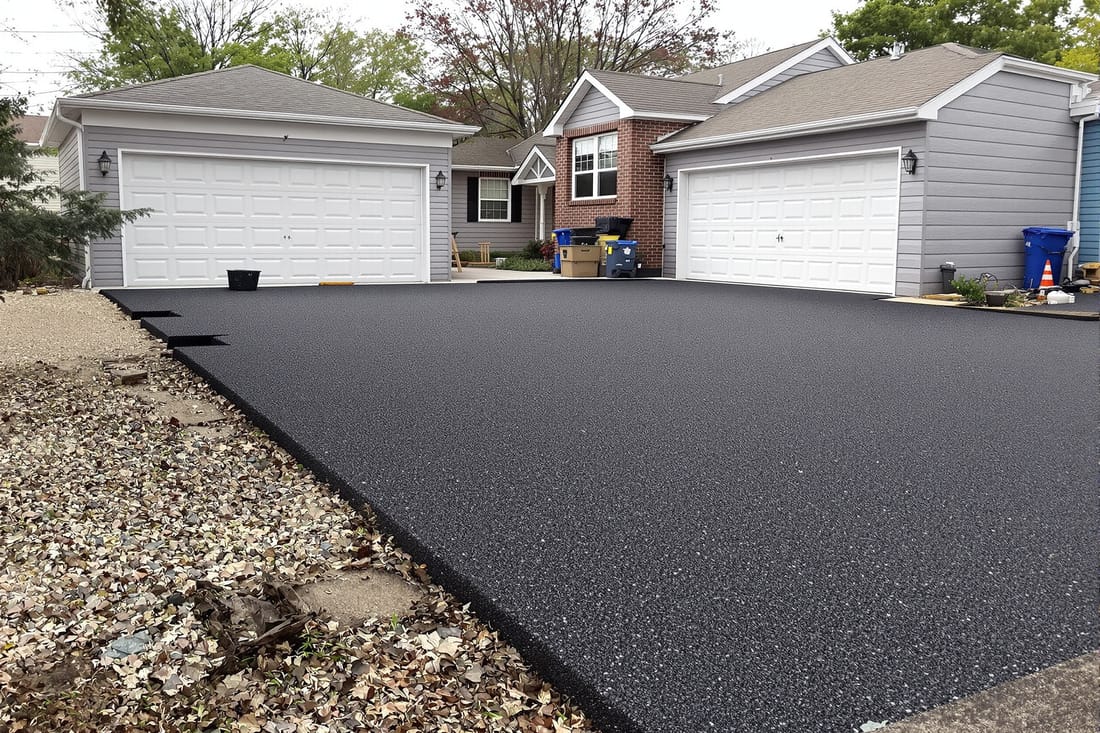
Our commercial gravel to asphalt conversions in Columbus, OH transform dusty, uneven gravel lots into clean, professional asphalt surfaces. We regrade and compact your base, add stone if needed, then pave and stripe your new lot. The result is improved drainage, easier snow removal, and a better first impression for customers.
Prestige Asphalt Columbus provides professional commercial gravel to asphalt throughout Columbus, OH and the surrounding area. Our licensed, insured crew delivers safe, clean, on-time work with a free estimate before anything begins. Call (614) 914-2949 or request your free quote.
Turn Gravel Lots Into Durable Asphalt Surfaces
If your commercial property in Columbus is still using a gravel lot, you are dealing with mud, dust, rutting, and constant re-grading. Prestige Asphalt Columbus focuses on commercial gravel to asphalt conversions that turn those high-maintenance surfaces into clean, durable asphalt parking lots, drive lanes, and equipment yards.
We work with property managers, business owners, and facility directors who need a surface that looks professional and holds up to real traffic. That often means converting gravel used by delivery trucks, employee parking, customer vehicles, or industrial equipment into a properly engineered asphalt section. The result is easier snow removal in Ohio winters, cleaner interiors because less gravel and dust is tracked inside, and a better experience for customers and staff.
Most gravel lots in central Ohio were never designed as permanent surfaces. The base stone may be thin, uneven, or contaminated with fines. A proper commercial gravel to asphalt conversion is about more than just paving over what you already have. Our team evaluates the existing base, drainage, and traffic patterns so the new asphalt does not rut, crack, or pond water in the first few years.
Site Evaluation, Soil Testing, and Drainage Planning
Every commercial gravel to asphalt project at Prestige Asphalt Columbus starts with a site visit, not an estimate over the phone. We walk the lot, take elevations, probe the gravel depth, and look at how water currently drains. Columbus and surrounding areas have a mix of clay soils that hold water, which makes drainage planning critical.
On many sites we recommend basic soil proof rolling or test pits. We use a loaded truck or roller to see if the existing gravel and subgrade move or pump under load. If the stone shifts significantly, we know additional base work or undercutting will be needed. For larger or heavily loaded commercial areas, we can coordinate geotechnical testing for more exact bearing capacity and soil moisture data.
Drainage planning is a major part of the design. We check that water can move to catch basins, yard drains, or edges without crossing building entrances or ADA routes. In Columbus, freeze-thaw cycles exaggerate any standing water. Low spots that look minor on gravel can become ice sheets on asphalt. We use laser levels or GPS equipment to design slopes, and if the existing gravel grades are too flat, we plan for additional stone and grading to correct that before paving.
Base Preparation and Repair Before Paving
Most failures in converted lots trace back to poor base preparation, not the asphalt itself. Prestige Asphalt Columbus puts most of the effort into this phase so the new pavement lasts.
Stage one is cleanup and shaping. We blade the existing gravel, remove obvious soft spots, organic material, and any construction debris that was buried in the lot. If the gravel is thin or full of fines, we specify new aggregate, usually an Ohio Department of Transportation graded aggregate base, to reach proper depth.
Stage two is structural correction. In areas where trucks or dumpsters have created deep ruts, we may undercut the existing material and bring in new stone. For lots built on clay, we often recommend geotextile fabric between the subgrade and new base stone to keep the rock from punching into the soil. This is especially useful in low areas around Columbus that stay wet after storms.
Stage three is fine grading and compaction. We use motor graders or skid steers to shape the base to the design slope, then compact with vibratory rollers to meet density targets. If the gravel pumps or waves under the roller, we address that before moving to asphalt. Skipping this step is what leads to reflective cracking and dips a year or two later.
Asphalt Mix Options, Thickness, and Markings
Once the base is solid, we place asphalt in one or more lifts depending on your traffic needs. For most commercial gravel to asphalt conversions in Columbus, car parking lots receive at least 2.5 to 3 inches of compacted asphalt. Areas that will see regular semi traffic, delivery trucks, or dumpsters often get 4 inches or more.
Prestige Asphalt Columbus typically uses a base course asphalt for the first lift and a tighter surface mix for the top. The base course handles structural loads, while the surface mix provides a smoother finish and better resistance to fuel drips. On high-visibility front lots, many clients choose a finer mix for a cleaner look and better striping contrast.
After paving, we compact the surface with steel wheel and pneumatic rollers to lock the mix together. We schedule striping, parking layout, and signage shortly after the asphalt cools. For businesses in the Columbus area, we can lay out traffic patterns that match local fire lane rules, ADA parking regulations, and practical flow for delivery trucks and customers.
For some properties, we also plan for future sealcoating. While we do not seal immediately, designing the lot with straight edges, defined joints, and proper drainage from the beginning makes later maintenance easier and more effective.
Common Issues in Columbus Gravel-to-Asphalt Projects and How We Handle Them
Converting gravel to asphalt in central Ohio brings some recurring challenges, and knowing them in advance saves money and frustration.
Soft clay pockets are common. A lot can look firm in dry weather but fail once heavy equipment starts working after a rain. Prestige Asphalt Columbus plans projects around local weather patterns and builds in allowances for undercut and stabilization in suspect areas, instead of ignoring them until they become a change order surprise.
Drainage conflicts are another issue. Older gravel lots often slope toward buildings or neighboring properties because they were never engineered. We address this with regrading, the addition of catch basins, or edge drains, and in some cases coordinating with adjacent property owners if shared drainage is needed. Handling this before paving prevents water intrusion into foundations and eliminates standing water at entrances.
Access and phasing also matter. Many Columbus businesses cannot shut down operations for an entire week. We routinely phase commercial gravel to asphalt conversions so staff and customers can still reach the building. That might mean doing back lots first, then front sections, or working weekends or off-hours. We discuss this scheduling upfront, and design the sequence so traffic does not drive over fresh asphalt before it cools and hardens.
Costs, Timelines, and What to Ask Before You Hire
The cost of a commercial gravel to asphalt conversion in Columbus varies widely, mostly depending on base repairs, thickness of asphalt, drainage work, and site access. A relatively firm, well-drained gravel lot that only needs fine grading and a standard asphalt section will be at the lower end. Lots that require undercutting soft areas, installing fabric, and adding drainage structures will cost more but save on long-term repairs.
Prestige Asphalt Columbus provides detailed written proposals that separate base work, asphalt paving, drainage components, and striping so you can see where the money goes. We also explain what could affect final cost, such as discovering buried debris or unsuitable fill once grading starts.
Most small to mid-size commercial lots can be converted from gravel to asphalt in a few working days, plus additional time for markings. Larger facilities, especially those with truck courts, may take a week or more, particularly if base reconstruction is required. Weather is a factor in central Ohio, so we typically schedule these projects during the drier seasons, and we will advise you on realistic windows for your specific site.
Before you hire any contractor, ask how they will evaluate your existing gravel base, what asphalt thickness they recommend for your traffic mix, and how they will handle drainage corrections. Request references for similar commercial gravel to asphalt conversions within the Columbus area, not just new construction jobs. A contractor who understands local soils, code requirements, and weather patterns will deliver a surface that performs for years instead of just looking good on day one.